
If you’ve ever worked a 9-to-5, you know every workplace comes with its own mix of personalities. Some coworkers are a joy to be around, some are just there, and a few can make every workday feel unnecessarily stressful.
In this case, one woman found herself dealing with the latter in a way she never expected. She stumbled across a coworker’s TikTok rant that mocked her injury, called her lazy, and even joked about slashing her tires. What felt like a throwback to high school bullying quickly escalated into something far more serious, and once HR got involved, the situation took an unexpected turn.
In today’s digital age, many people regularly share moments from their daily lives online, often without realizing how far those posts can spread

Image credits: benzoix (Not the actual photo)
One woman recently shared how she had to report a coworker who was posting hurtful and targeted videos about her on TikTok
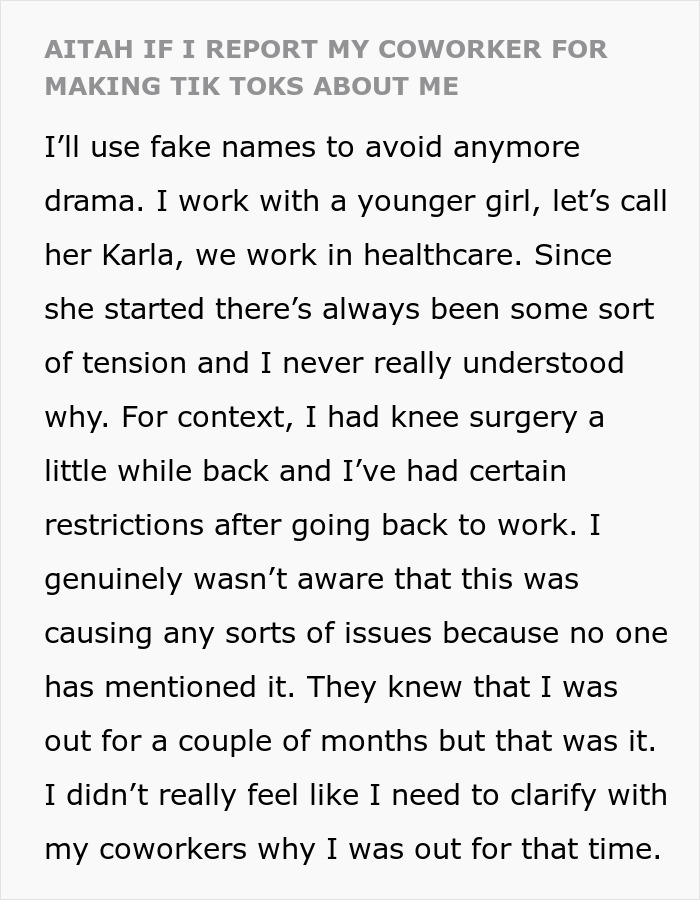

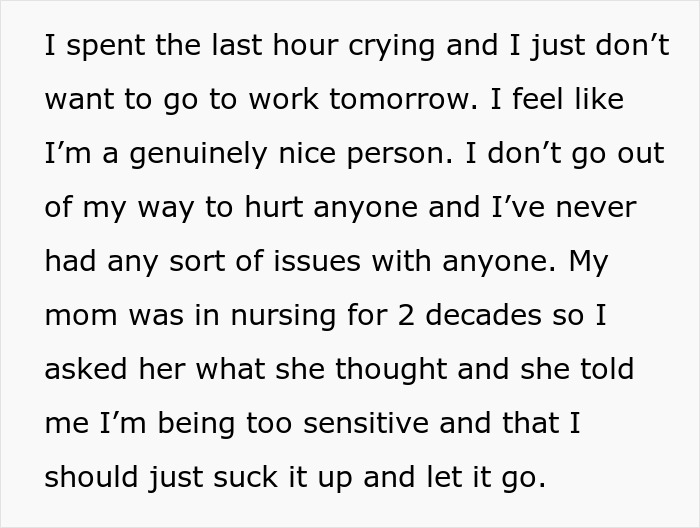

Image credits: benzoix (Not the actual photo)
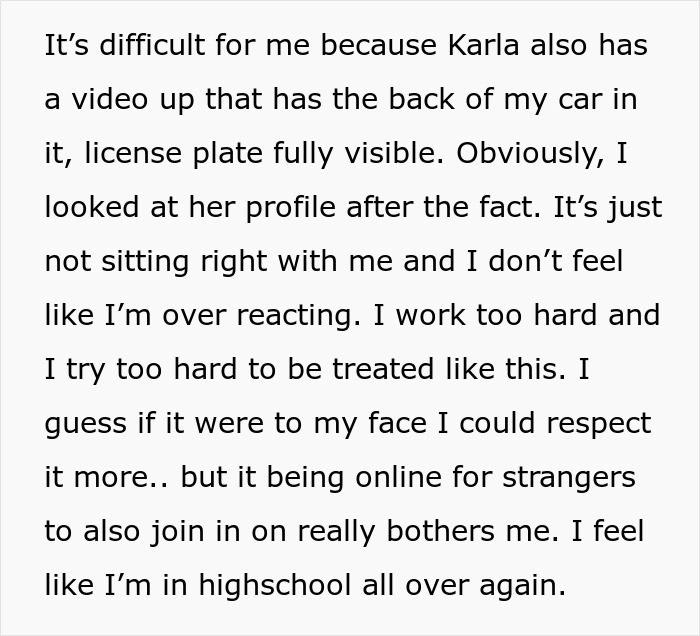
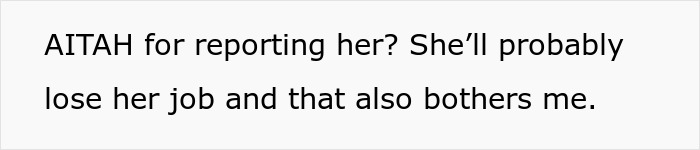
Image credits: Wonderful_Folds
When conflicts arise in the workplace, they often disrupt focus, lower morale, and negatively impact overall productivity
It’s pretty normal for coworkers to disagree now and then. After all, you’re spending around eight hours a day, at least five days a week, with the same people. Different personalities, different work styles, different moods, it’s bound to clash sometimes. Some days, it’s a minor eye roll over emails, other days, it’s passive-aggressive silence in meetings. Workplace harmony isn’t always realistic, and that’s okay. The problem starts when small tensions turn into ongoing conflicts. That’s when things can get messy.
Here’s the not-so-fun part: those little conflicts add up fast. According to a report by CPP Global, workplace disputes and personality clashes eat up about 2.8 hours per employee every single week. That’s nearly three hours spent not working, not collaborating, and not being productive. Instead, people are venting, replaying arguments in their heads, or avoiding each other. And no one clocks in thinking, “Today, I’ll waste time being annoyed.” It just… happens.
Zoom out, and the numbers get even wilder. Nationwide, employers are paying an estimated $359 billion for the time employees spend dealing with interpersonal conflict instead of actually doing their jobs. Imagine what that time and money could be used for if people weren’t stuck in awkward standoffs or heated drama. Projects would move faster, meetings would be shorter, and inboxes might finally breathe. Conflict doesn’t just hurt feelings, it quietly drains entire organizations.
And it’s not only companies that suffer. Employees feel it too, sometimes even more intensely. Studies show that workplace conflict leaves workers feeling distracted (21%), frustrated (18%), anxious (9%), and stressed (9%). That’s a lot of emotional weight to carry into an already busy workday. You’re trying to focus, but your mind keeps drifting back to that comment or side-eye. Suddenly, work feels heavier than it needs to be. No wonder burnout sneaks in so easily.

Image credits: Polina Zimmerman (Not the actual photo)
It’s important to handle office conflicts professionally and avoid airing workplace issues on public platforms, where they can escalate and cause lasting damage
The reasons behind these conflicts are endless. Sometimes, it’s a simple disagreement over how a task should be done. Other times, it’s clashing personalities or different communication styles. One person prefers direct honesty, another reads that as rude. Someone feels unheard, someone else feels attacked. Add deadlines and pressure into the mix, and even small misunderstandings can spiral quickly. What starts as “no big deal” can quietly turn into a lingering issue.
Then there’s gossip—the silent troublemaker of many workplaces. A comment here, a whisper there, and suddenly stories take on lives of their own. Gossip can turn neutral situations into full-blown drama without anyone checking the facts. It creates sides, fuels resentment, and damages trust. Even people who try to stay out of it end up affected. Once gossip starts circulating, it’s hard to stop the ripple effect.
Things can escalate even further. According to a ZipDo report, 57% of workers have witnessed a workplace conflict that led to a physical altercation. Even more common, 27% have seen exchanges of personal insults. That’s no longer “just work stress”, that’s a serious breakdown in professionalism. These situations don’t just shock the people involved; they make everyone around uncomfortable. No one wants to feel like they’re walking into a tense or unsafe environment.
And sometimes, people cross a line that’s hard to come back from—by taking workplace drama public. Posting about coworkers or job conflicts on social media might feel like venting, but it often backfires. Once something is online, it’s no longer private, and it can quickly spiral out of control. What felt like a harmless rant can become a professional issue overnight. Employers take this seriously, and for good reason. Some lines, once crossed, change everything.
Just like in this case, where the situation escalated when a coworker took the conflict public by posting about it on TikTok. Since this wasn’t the first time she had crossed that line, HR decided to terminate her employment. Turning workplace issues into online content can have serious consequences. How would you handle a coworker who brings office drama onto social media?

Image credits: cottonbro studio (Not the actual photo)
After hearing her story, many people online urged her to take the situation seriously and act quickly against the workplace bullying
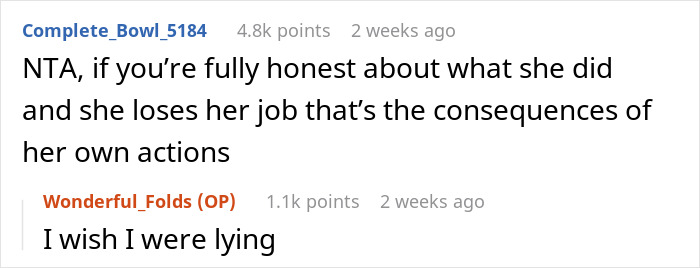
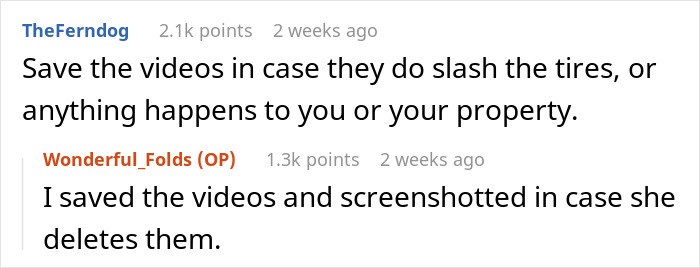
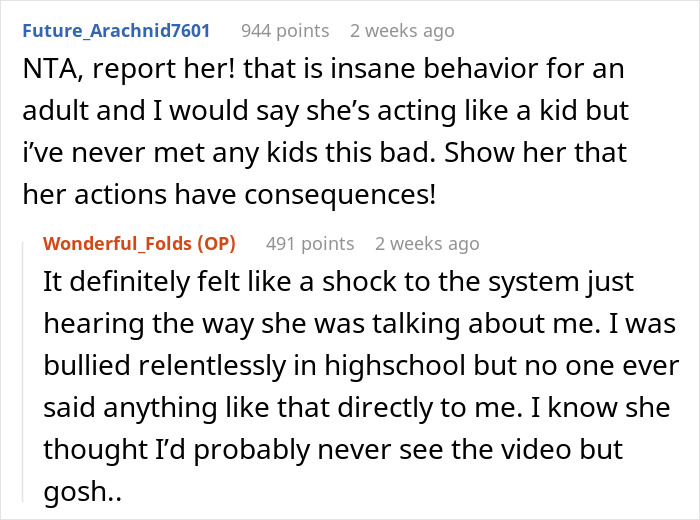
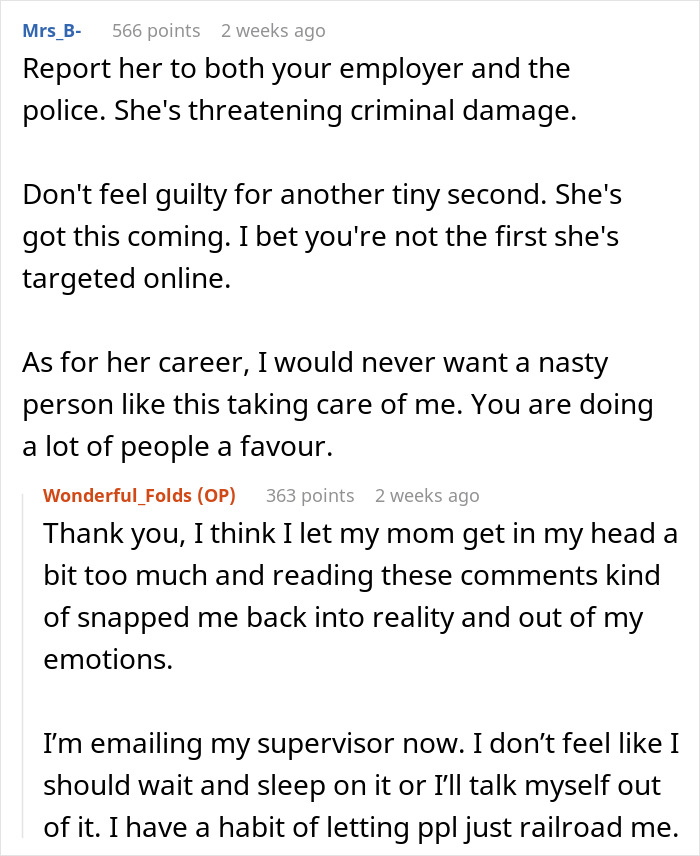
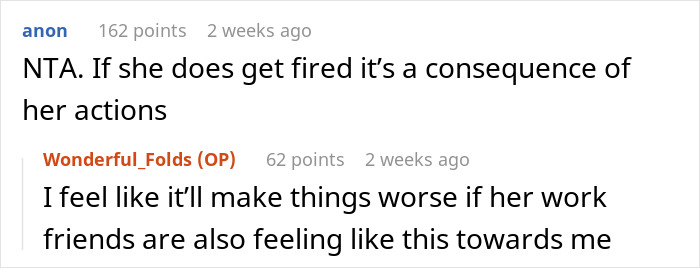
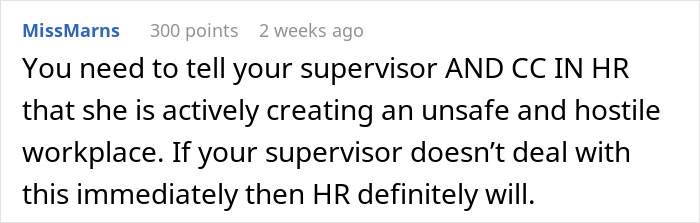
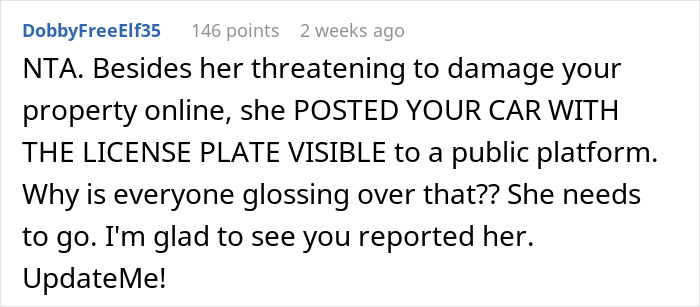
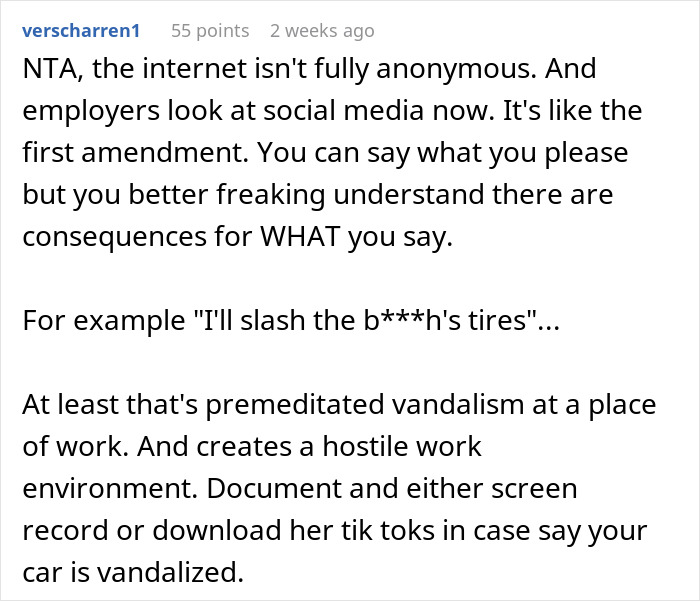
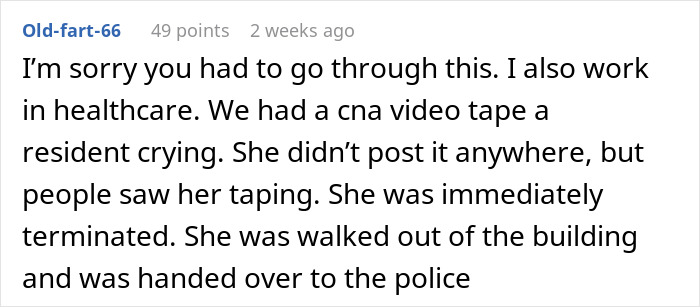
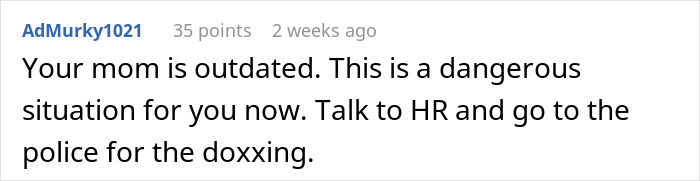

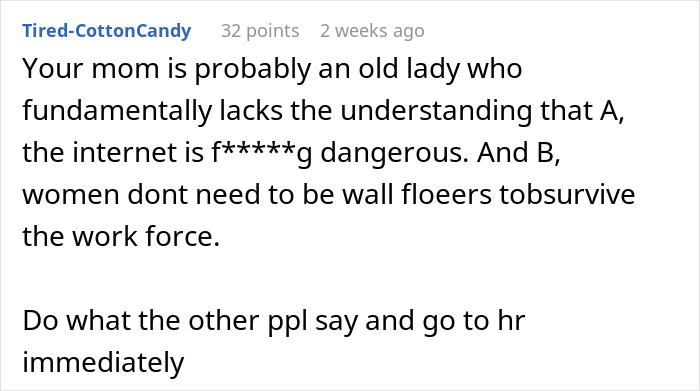
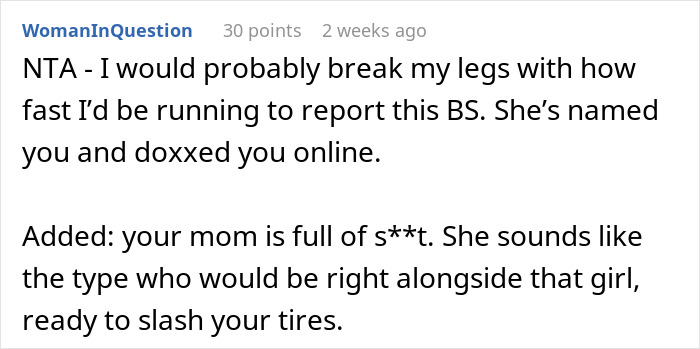
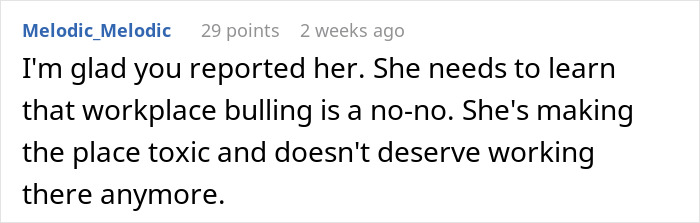
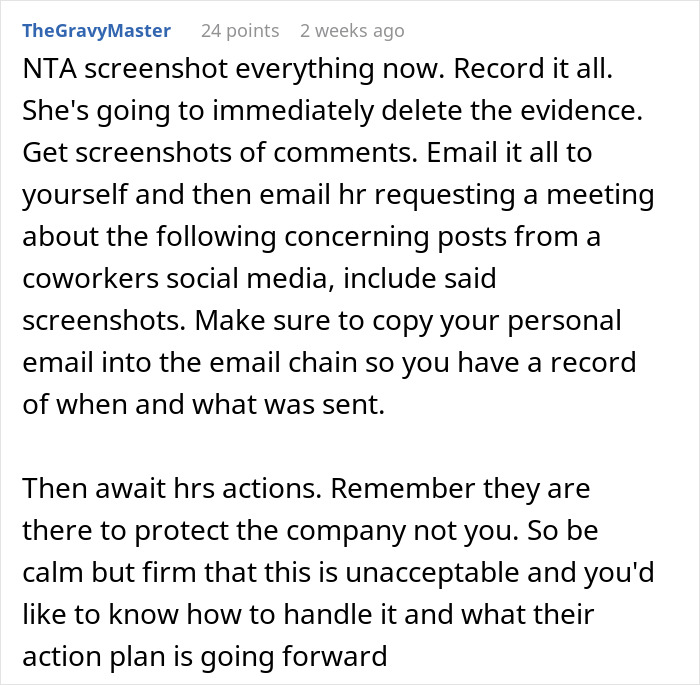
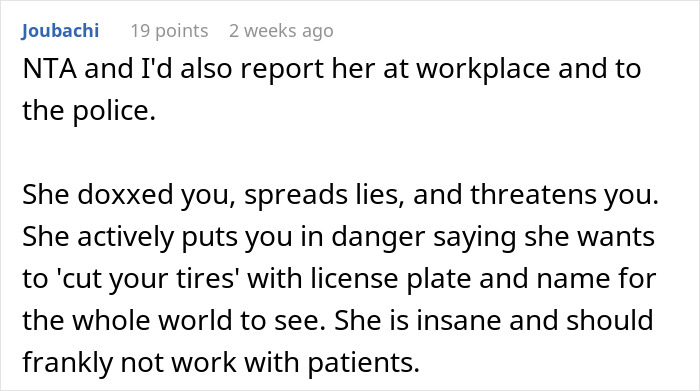
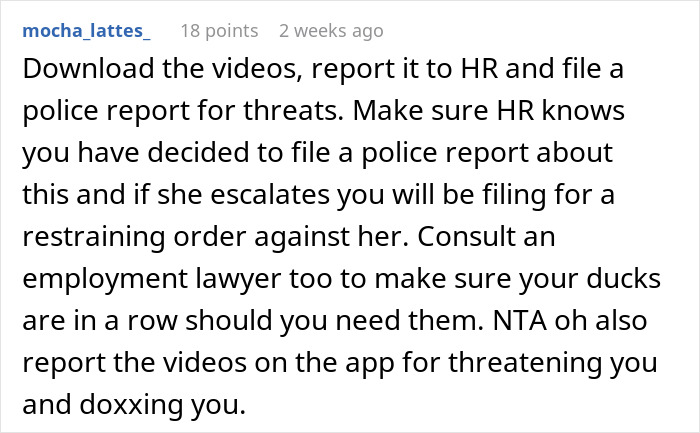
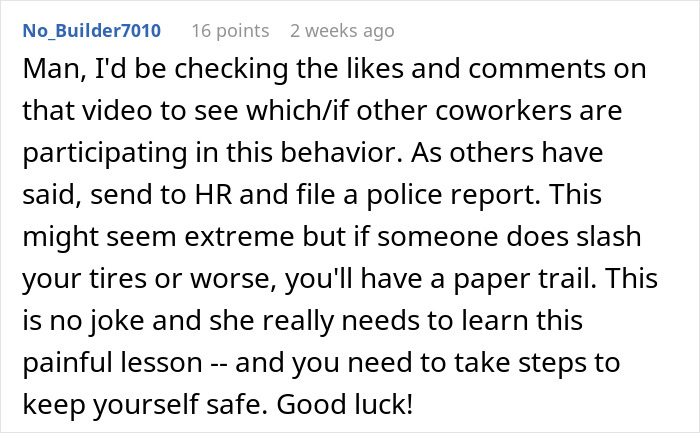
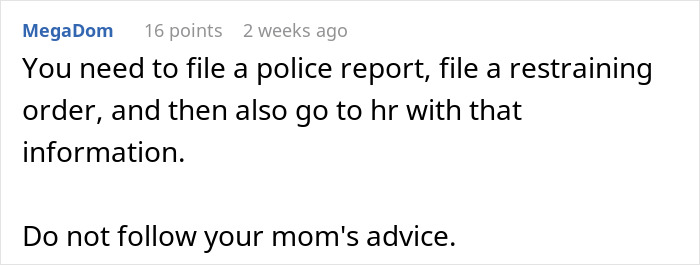
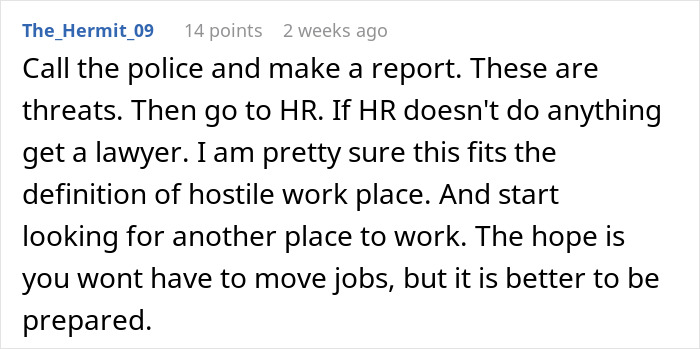
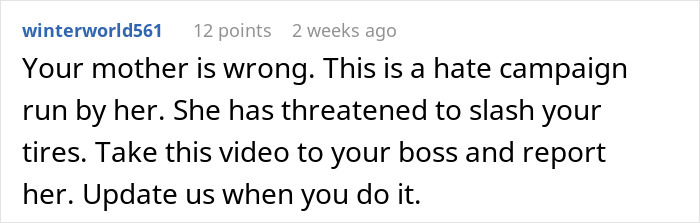
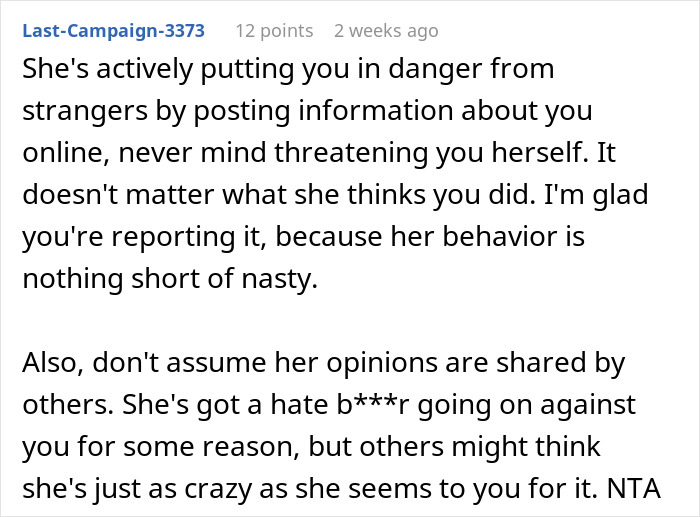
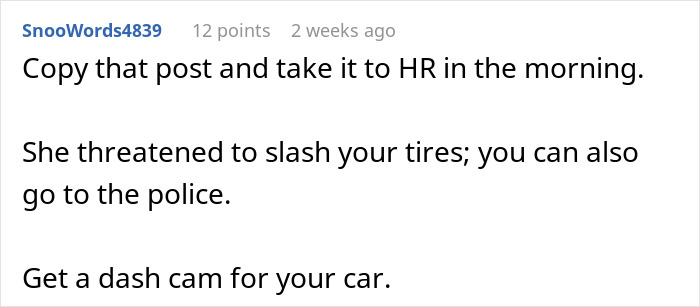
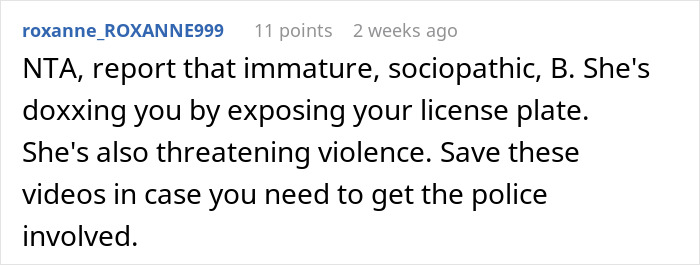
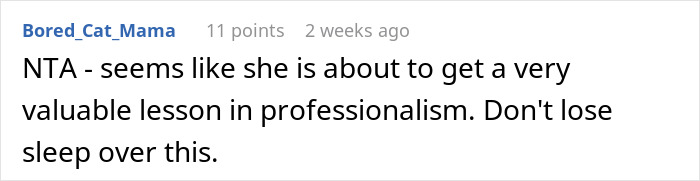
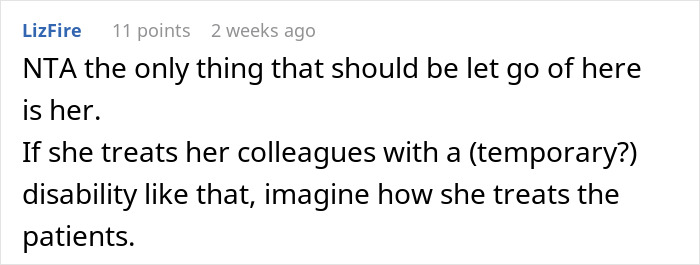

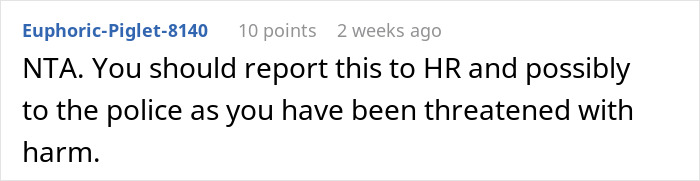



Image credits: freepik (Not the actual photo)
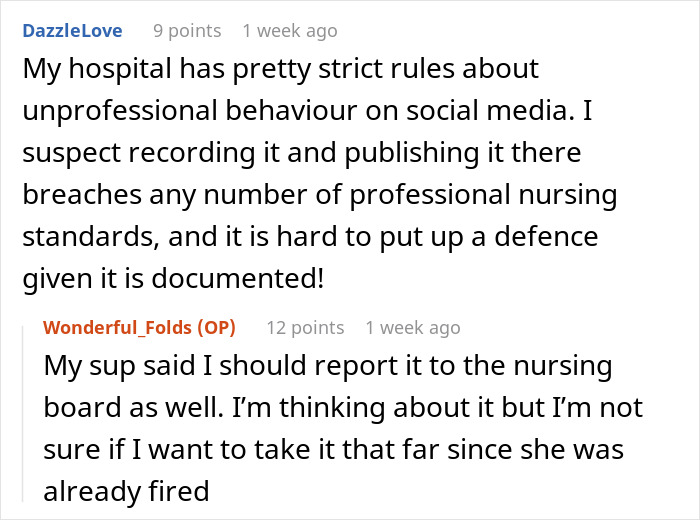
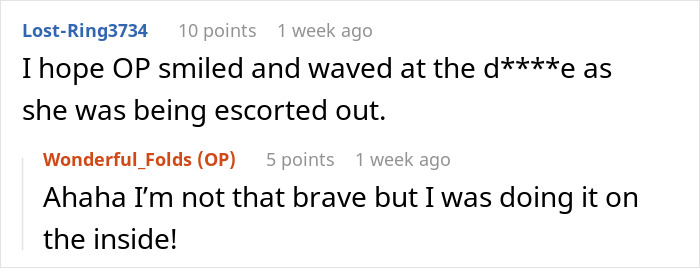
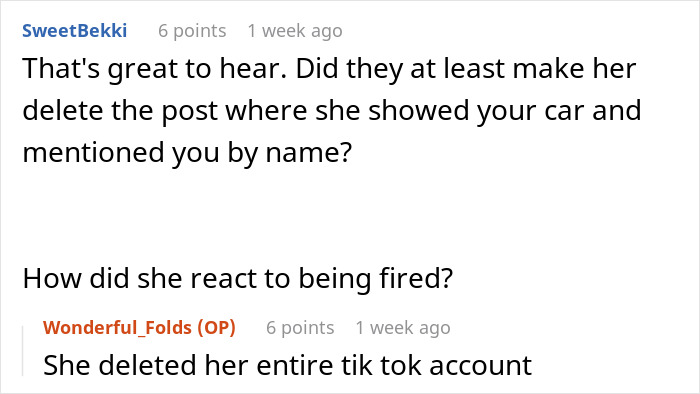
The woman eventually reported the coworker to HR, which led to the coworker being fired and deleting all of the videos
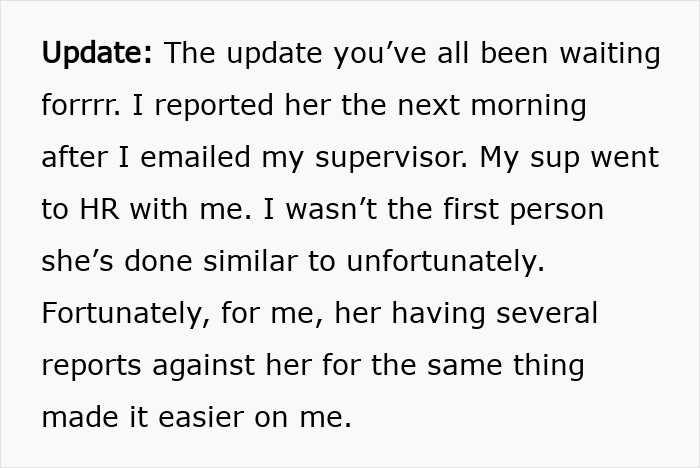
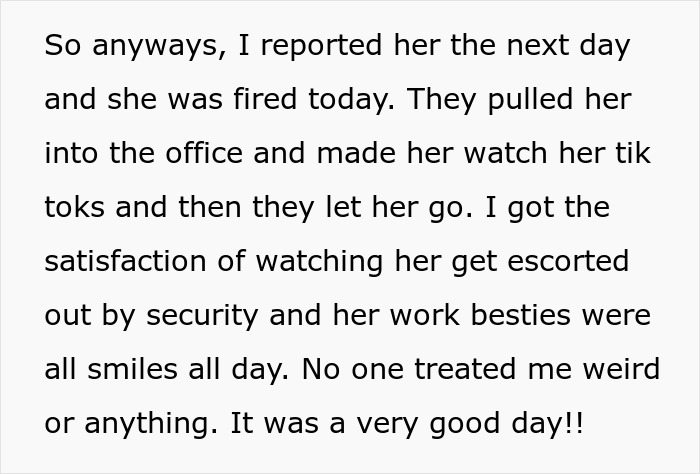
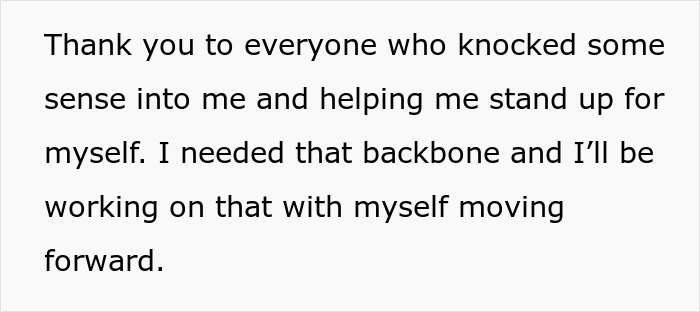
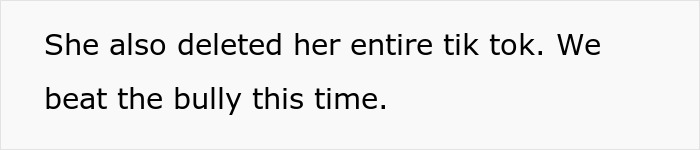
Image credits: Wonderful_Folds
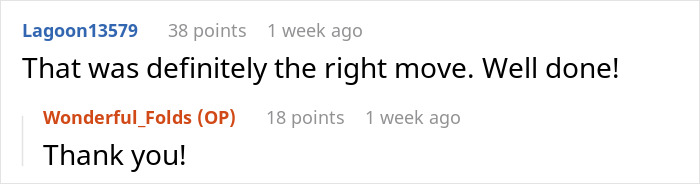
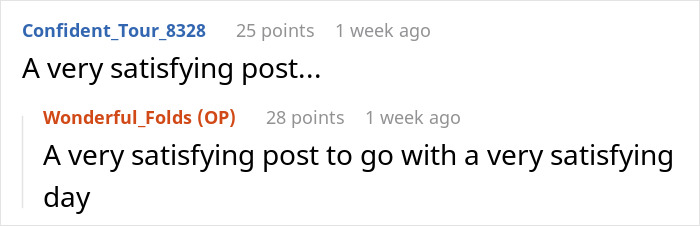
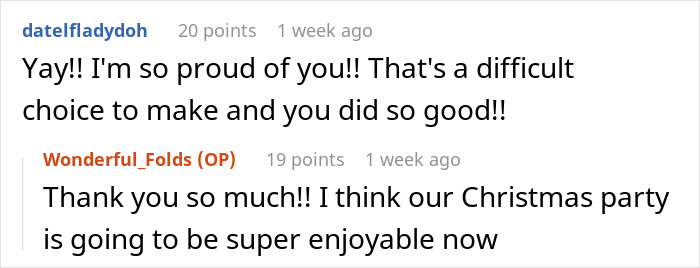
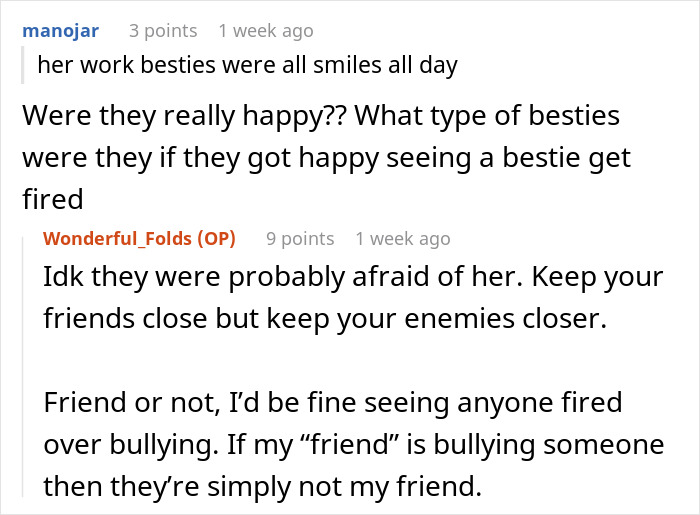
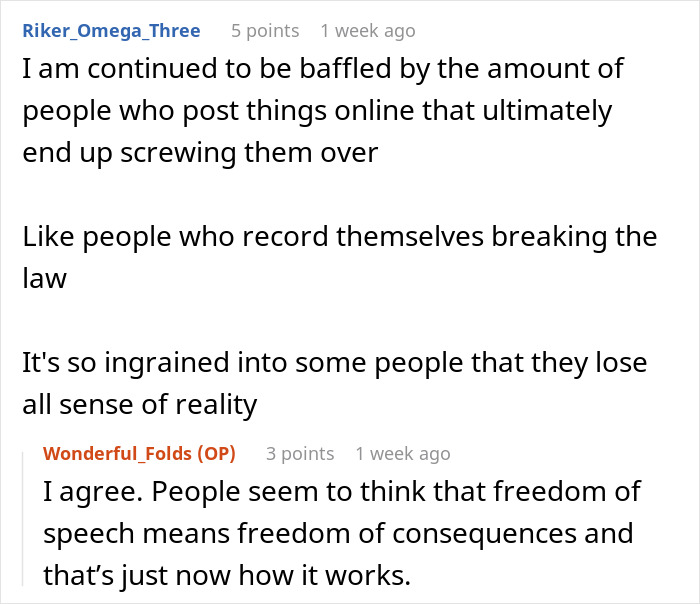
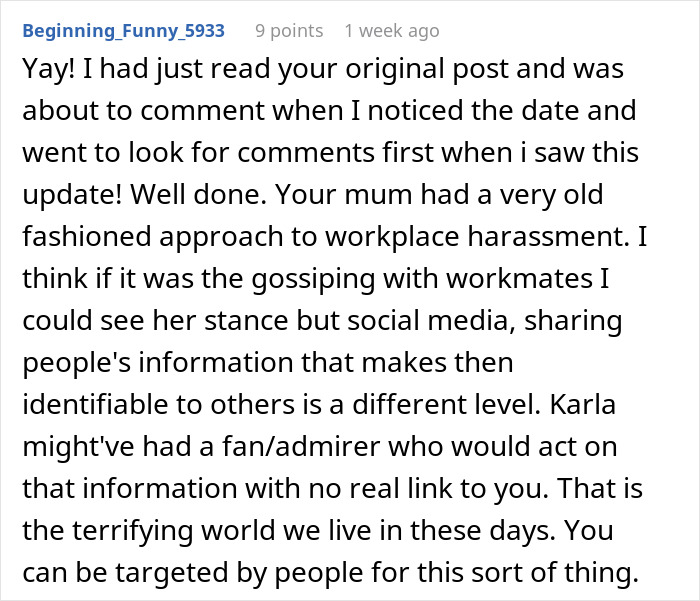
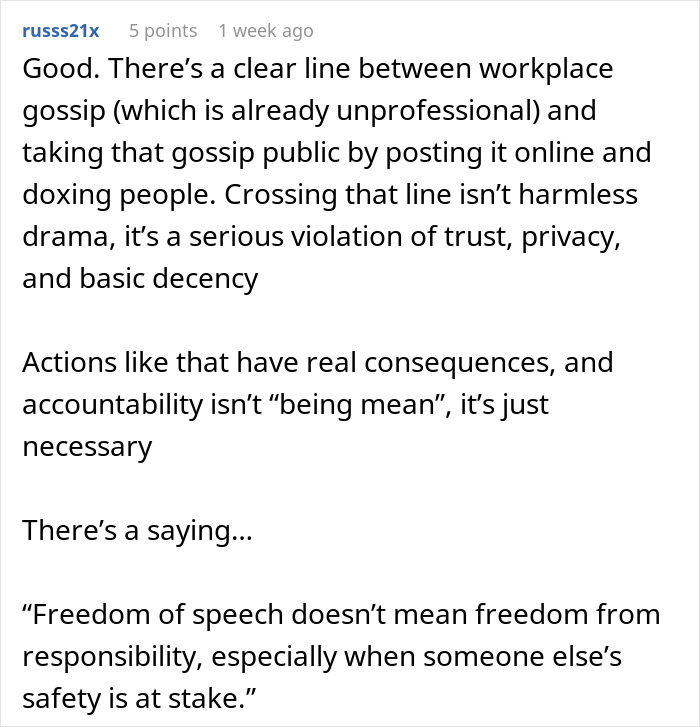
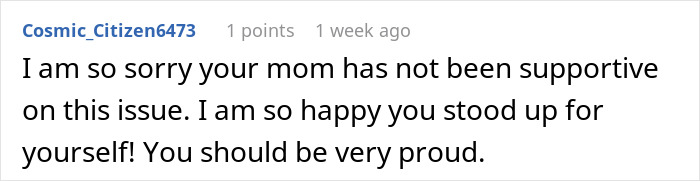
Many people felt a sense of relief and justice, expressing support for the woman and agreeing that the consequences were deserved
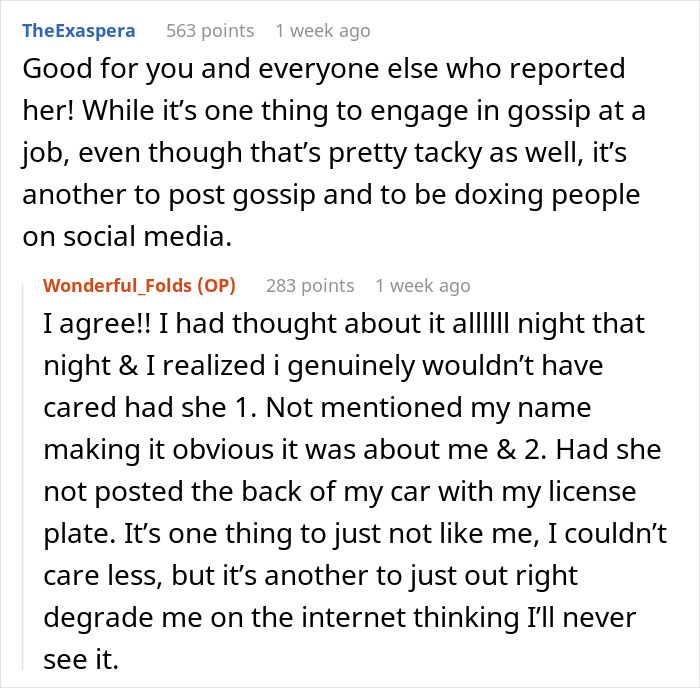
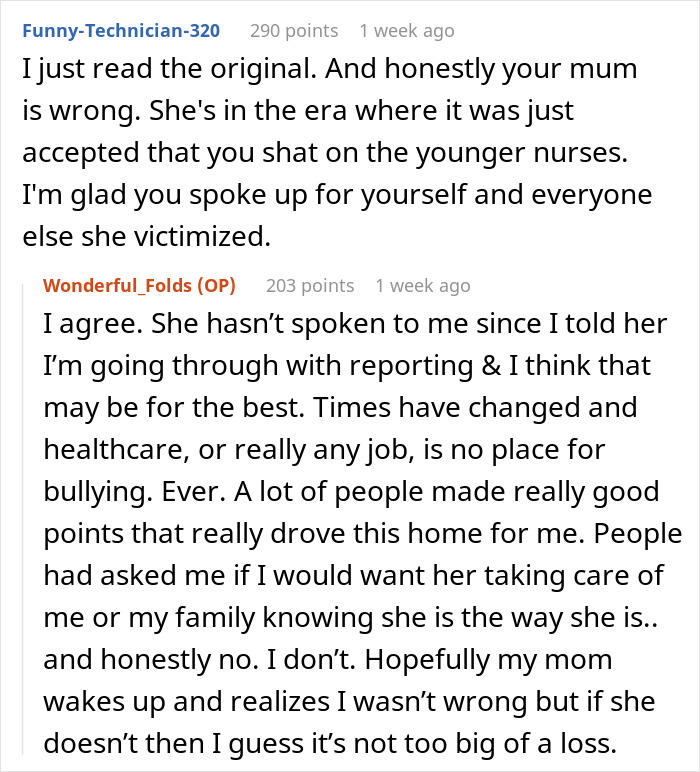




Source:Boredpanda